
What does enterprise SEO mean?
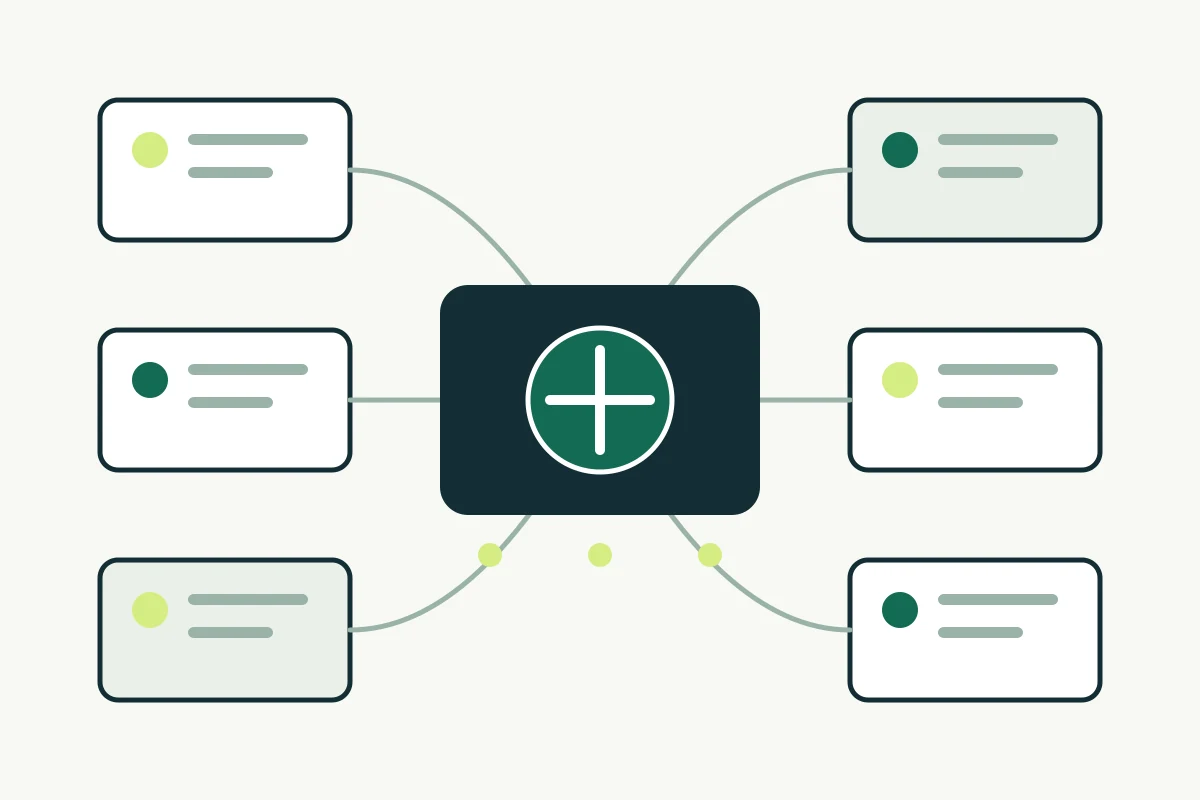
The word enterprise describes an operating problem, not a special Google ranking category. A large organisation may have separate owners for its CMS, product catalogue, marketing pages, translations and analytics. SEO succeeds when those owners can apply a sound decision consistently across the site.
The familiar work remains: research buyer questions, publish useful pages, make them crawlable, and measure whether the right people find them. Enterprise SEO adds rules for who approves a change, how it reaches production, and how the team checks that it worked. The enterprise SEO service describes support for that operating model; this guide explains the term.
Is there a minimum page count?
No official page count defines enterprise SEO. A 600-page B2B site with several regional teams and a complicated release process can need stronger governance than a 20,000-page directory controlled by one developer. Page count still matters: a shared template error can repeat across every URL it generates, and a large URL inventory requires sampling and automated checks.
Google's crawl-budget guidance describes circumstances where crawl capacity may matter. Those thresholds are guidance about crawling, not a certification that a site is “enterprise”. Start with the actual bottleneck rather than treating size as a diagnosis.
What changes from ordinary SEO?
Enterprise work changes the unit of action. A small team can rewrite a weak page directly. A larger team must identify the page type, the rule that produced the weakness, its owner, the number of affected URLs, and the release risk. The goal is one controlled change that improves a cohort of pages without breaking another.
For example, a B2B software company might have 40 integration pages assembled from the same template. If each page has the same vague title and no path back to the relevant product page, the useful task is to change the title and internal-link rules. Rewriting 40 titles by hand leaves the underlying problem in place.
What falls inside enterprise SEO scope?
Scope normally spans site architecture, technical implementation, content systems, measurement and governance. The exact mix depends on where search demand sits and who can make changes. A company selling to three markets with separate domains needs different controls from a single-market company with one catalogue.
Architecture and indexation
Architecture determines whether a buyer and a crawler can move from a broad topic to a specific service, product or use case. Enterprise reviews map page types, navigation, breadcrumbs and internal links. They compare the canonical, indexable URL set with XML sitemaps and Google Search Console's Page Indexing report.
This is where faceted navigation, internal search pages, regional duplicates and retired products often create excess URLs. A decision log should say which URL pattern deserves an indexable page, which is a duplicate, and how discontinued pages resolve. The 10,000-page enterprise SEO guide goes deeper into these template and crawl problems.
Templates, rendering and releases
Shared templates generate titles, headings, body modules, structured data and links. A change to one template can improve thousands of URLs; it can also remove a canonical tag or make key content unavailable in the HTML. SEO therefore belongs in the design and engineering acceptance criteria, with checks before and after release.
For JavaScript-heavy B2B sites, test both the initial HTML and the rendered page. Google's JavaScript SEO guidance explains how rendering affects discovery. A production check should inspect representative URLs from each important template, not only the homepage.
Content, entities and buyer journeys
Enterprise content needs a clear owner for each buyer question. The category page can answer “what is the product?”, an integration page can explain compatibility, and a comparison page can support vendor selection. A keyword map assigns each distinct intent to a primary URL so teams do not publish competing answers.
In B2B, several people may evaluate the same purchase. Finance may need commercial terms, IT may need security and integration detail, and a user may need workflow evidence. A content system should connect these answers without forcing every page to cover every role. The B2B SEO strategy explains the planning layer.
Measurement and ownership
Search Console measures query and page visibility; analytics measures on-site behaviour; a CRM can show whether enquiries became qualified opportunities. None of those systems alone proves revenue caused by SEO. An enterprise report should state the time window, market, URL cohort and conversion definition, then show who owns the next action.
The operational artefacts matter as much as the dashboard: a page-type inventory, an issue register, an owner and approver for each fix, and release checks. Without them, teams repeatedly rediscover the same issue.
When does a B2B site need an enterprise approach?
The threshold is reached when a sound recommendation cannot be applied consistently without a repeatable process. Multiple sites, languages, product lines, CMSs or approval teams are common signals. So is a backlog in which the same technical issue returns after each release.
| Signal | What it means | First useful control |
|---|---|---|
| One template feeds many commercial pages | A single fault repeats | Template-level test and named engineering owner |
| Several markets publish similar pages | Local teams can create duplicates or incorrect targeting | Market URL policy and regional sign-off |
| SEO fixes wait across departments | Ownership is unclear | Issue register with owner, approver and due date |
| New pages launch faster than they are reviewed | Quality drifts | Pre-publish checks for indexation, links and content |
| Reports combine unrelated queries and markets | Growth cannot be explained | Cohort reporting by page type and market |
A page count alone should not trigger a new platform or expensive software. If one editor and one developer can see and fix the whole site reliably, start with that simpler workflow. If the table describes your situation, formalise the controls before the next large release.
How should a B2B team start enterprise SEO?
Begin with a small inventory and one high-value page cohort. Identify the service, product or integration pages that support enquiries. Check their indexation, template output, links and Search Console queries. Then turn the recurring problems into rules the relevant teams can own.
Build a page-type and owner map
List each page type, the system that generates it, its business owner and its technical owner. Add the intended search task and the canonical URL pattern. This makes a template problem visible before anyone writes a ticket for hundreds of separate pages.
Choose fixes by impact and release risk
Prioritise a fix by the value of the affected pages, the number of URLs, the evidence of a problem, implementation effort and the chance of a regression. A noindex mistake on service pages should outrank cosmetic metadata on old news posts. Write acceptance criteria that a developer can test, such as “the canonical points to the indexable URL for all sampled integration pages”.
Verify the release and keep the rule
After a change ships, test a sample from every affected page type and check the relevant Search Console reports over time. A successful release is not the same as an immediate ranking gain. Record the new rule so future templates, markets and agencies apply the same decision.
What does enterprise SEO cost?
There is no useful flat price without scope. Costs change with the number of markets, sites, templates, engineering dependencies, data access and implementation responsibility. Software may help with crawling and monitoring, but a tool subscription does not replace an owner or a release process. Our enterprise SEO tools guide maps tools to the jobs a large site needs done.
Ask any provider to separate diagnosis, implementation and ongoing monitoring. A proposal should identify the page types and markets reviewed, access needed, sample size, deliverables, who makes fixes, and how changes are verified. Our enterprise SEO pricing guide explains these cost drivers, while consultant versus agency helps with the delivery model.
If your team has repeated template or governance problems, see enterprise SEO support and bring a list of the page types you most need to protect.