
What does an enterprise SEO consultant do?
An enterprise SEO consultant diagnoses a large site's search problems and hands the team an actionable plan, usually over a fixed period. Jenn Mathews, an SEO manager at GitHub, wrote in Search Engine Journal in 2020 that enterprise consulting is typically a flat fee for a set duration, runs for a few months and ends with a plan the team can execute. She lists an SEO audit of one part of a business, a comprehensive linking strategy and SEO-specific data analysis as past uses.
seo-day.de lists the wider service set: audits, keyword research, on-page and technical SEO, link building and GEO, with monthly reports. It adds that consultants are usually cheaper than agencies and work more personally. A statement of work should outline the process and the hours per task, and Mathews treats pay-for-results offers as a sign the consultant may not understand enterprise complexity.
What counts as an enterprise SEO environment?
An enterprise SEO environment is a site with several complex databases connected into one interface, millions of dynamic pages and auto-generated content, run by teams with defined roles. Mathews notes that some organisations feel like enterprises but are lean enough to avoid that complexity. She consulted for organisations with over 50,000 employees and roughly $500 million in yearly revenue where some ran successful SEO with one SEO manager, so size alone does not decide the question.
When does an enterprise SEO consultant make sense?
A consultant makes sense when your team can implement changes but needs senior diagnosis and direction. Mathews names the warning signs: unclear ownership of an SEO fix, roadblocks from business decisions, prioritisation problems, confusion over best practice, or difficulty making your point. seo-day.de adds organic traffic that brings no leads, traffic that stagnates or declines, rankings that drop after Google updates, and in-house teams without SEO expertise.
Define the time needed, the scope and the expected outcome before you hire. A consultant who delivers a plan helps only if someone owns the delivery, so name that person first. Our guide to choosing between a B2B SEO consultant and an agency covers the general case, and our B2B SEO consultant page describes how we work.
When does an enterprise SEO agency make sense?
An agency makes sense when you need ongoing delivery across technical, content and link work at the same time. Mathews says agencies suit ongoing monthly support. Anicca Digital adds that agencies see a wider range of industries and platforms, combine complementary specialists, spread the cost of enterprise tools across clients, and can adjust workload and budget more readily than a fixed team.
The costs are real. TripleDart lists less direct control, a vetting effort in a crowded market, an initial knowledge gap that needs onboarding, and possible conflicts of interest where an agency serves competitors. Mathews advises having each candidate review your site and present findings, and rejecting any agency that belittles your team or its engineers.
When is an in-house team the better choice?
An in-house team is the better choice when you need daily control and deep product knowledge, and can fund permanent roles. TripleDart lists business understanding, control and agility as the main advantages: staff can join product meetings, and technical fixes move faster with engineering. Anicca says in-house teams can suit very large organisations with substantial ongoing SEO needs and highly regulated or specialised sectors.
The cost is fixed and the skills may not stretch. TripleDart builds a US estimate of $100,000 to $150,000 or more a year from a salary of $60,000 to $90,000 (citing Indeed), about 30% in benefits, $3,000 or more a year of training and $500 to $2,000 a month of tools. Anicca warns that SEO spans many skills, so a full capability may need several hires, and expertise is hard to verify when hiring.
How do the three options compare?
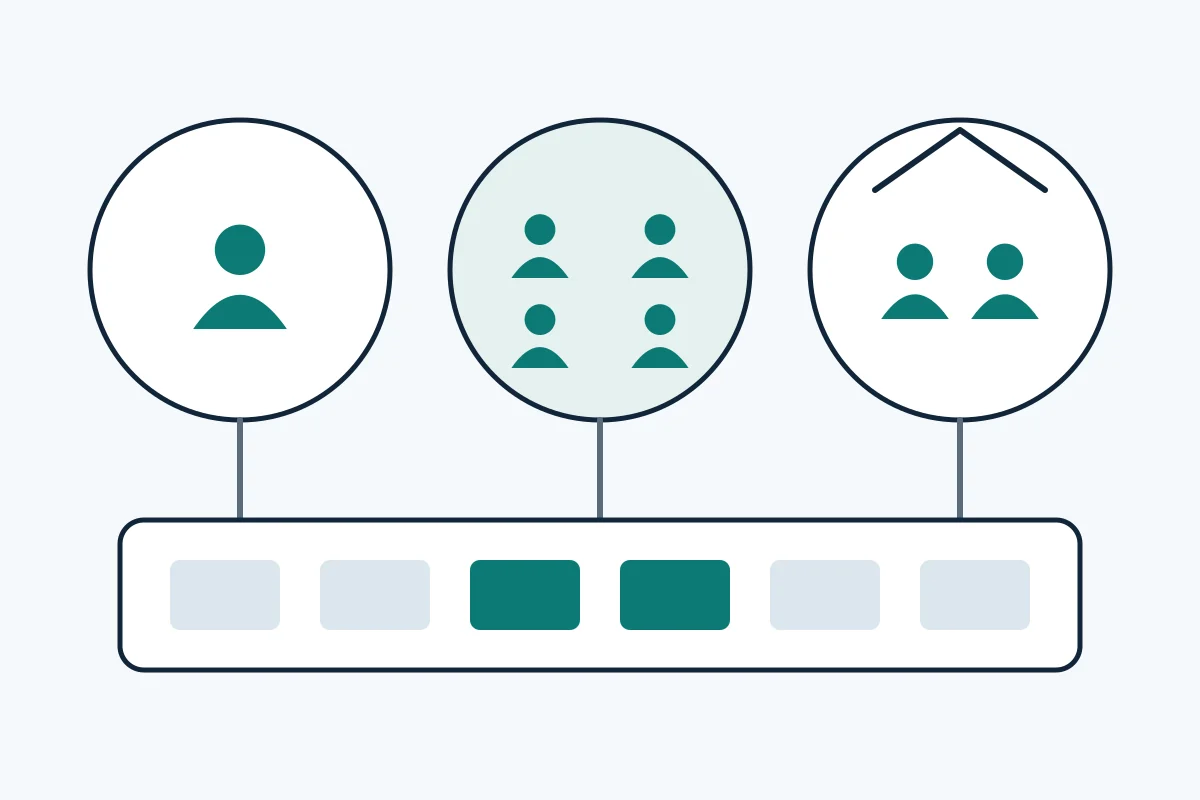
The three options differ in what they do best and where they stop.
| Option | Strongest at | Main limit | Typical engagement |
|---|---|---|---|
| Consultant | Senior diagnosis and a plan; an outside view | Delivers a plan, so your team still needs capacity to implement | A few months, flat fee, statement of work |
| Agency | Ongoing delivery across technical, content and links; shared tools and specialists | Needs onboarding; less direct control | Ongoing monthly support |
| In-house team | Business knowledge, control and speed of reprioritising | Fixed cost; skill gaps; possible tunnel vision | Permanent roles |
How do you combine them?
Combine them by giving each party the work it is best placed to ship. TripleDart describes the usual hybrid: an in-house lead owns strategy and cross-department alignment, and an agency handles content production, link building, audits and specialised projects. Mathews adds a consultant to the mix and calls an agency plus a consultant often the best combination, which is her view as a practitioner, not a measured result.
The split below is our suggested starting point, not a sourced standard. It follows one rule: the person who can ship the change owns it.
| Task | Suggested owner | Why |
|---|---|---|
| Priorities, roadmap and approvals | In-house lead | Needs access to product and engineering decisions |
| Template and engineering changes | In-house, with engineering | Only the owners of the codebase can ship them |
| Independent audit or second opinion | Consultant | Fixed scope and an outside view |
| Content production and refreshes | Agency | Needs volume and specialists |
| Link building and digital PR | Agency | Needs outreach capacity |
| Reporting that ties search to pipeline | In-house owner, with agency inputs | Needs CRM access |
| Migration planning | Consultant or agency, with in-house sign-off | One-off project with high risk |
For the technical work behind template changes, see our guide to enterprise SEO on 10,000-page sites.
How do you decide between a consultant, an agency and an in-house team?
Decide by answering seven questions and counting where the answers lean. The questions are our judgement, built on the factors TripleDart and Anicca use: budget, existing skills, complexity and management capacity.
- Does your team already have people who can implement SEO changes? If yes, lean towards a consultant. If no, lean towards an agency.
- Is the main problem unclear priorities or ownership, not lack of capacity? If yes, lean towards a consultant, matching the warning signs Mathews lists.
- Do technical, content and link work need to move together? If yes, lean towards an agency.
- Do you run several markets or languages? If yes, lean towards an agency or a hybrid, since Anicca notes agencies can bring in international specialists.
- Is there enough ongoing work for a full-time role, and a budget to fund tools and training? If yes, lean towards in-house. TripleDart puts the threshold at about $150,000 a year with a 12 to 18 month ramp.
- Do daily decisions need someone inside product and engineering meetings? If yes, lean towards in-house.
- Is a migration or redesign planned within the year? If yes, bring in a consultant or an agency for it whichever model you choose.
Three or more leans towards one option points to that option. A close split points to a hybrid, which matches TripleDart's rule of thumb for its ten-factor framework.
How do you vet an enterprise SEO consultant or agency?
Vet them with evidence about your kind of site, not a sales presentation. Use these checks for either option:
- Ask for a site review. Mathews suggests having each candidate review your site and present the findings, then judging how deep they go and how they handle feedback.
- Ask for matching case studies. seo-day.de and TripleDart both recommend case studies and references from similar sites.
- Check the reporting. seo-day.de advises data-driven reporting and warns against vanity metrics.
- Reject guaranteed rankings. Both seo-day.de and TripleDart treat them as a red flag.
- Confirm ownership. TripleDart advises confirming that you own all content and account access.
- Read the statement of work. Mathews expects it to outline the process and the hours per task.
Our guide to choosing a B2B SEO agency gives twelve further questions, and our enterprise SEO pricing guide shows how to compare quotes. For a view of where your site stands, book a free B2B SEO audit or read about our enterprise SEO services.