
What Are Enterprise SEO Tools?
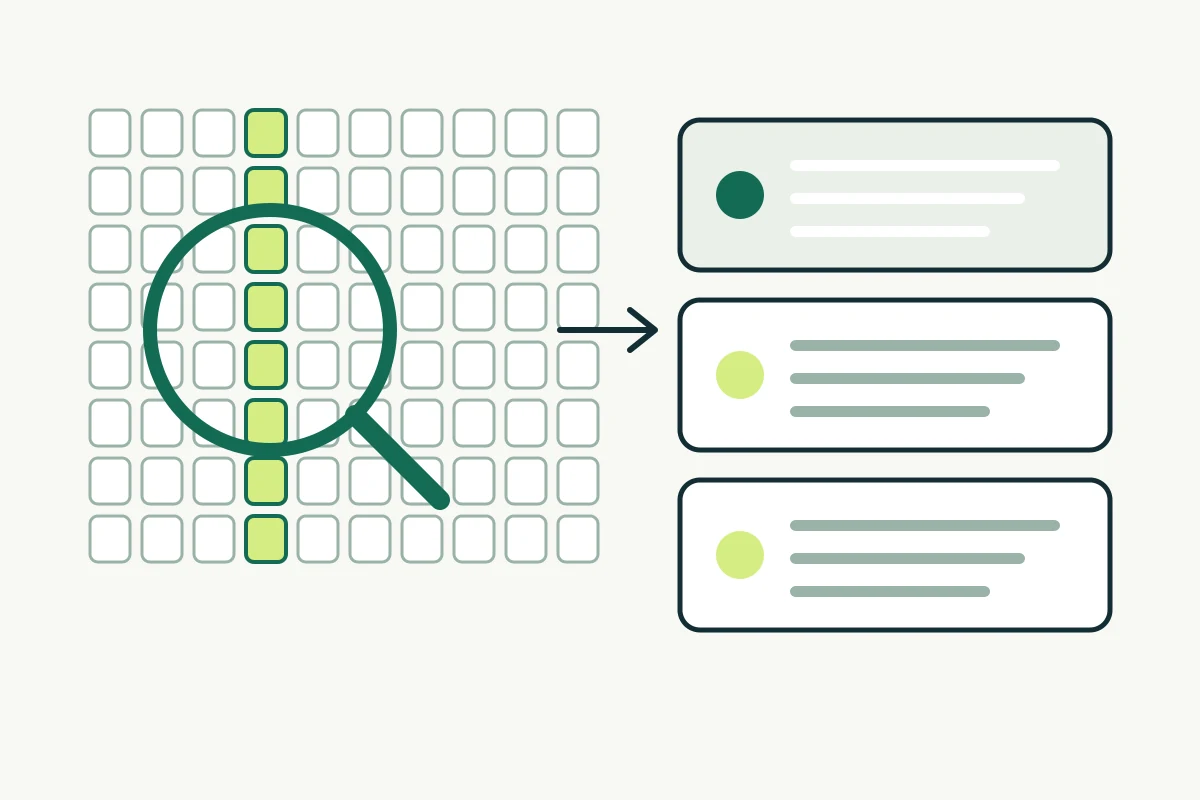
Enterprise SEO tools are platforms and utilities that audit, track and report on organic search for sites with thousands of pages, many contributors and several markets. Gartner Peer Insights defines the category as "Enterprise SEO Platforms" and lists eight mandatory features, as updated in April 2026: site audits, keyword ranking, SEO reporting and analytics, competitive analysis, keyword research, martech integrations, website monitoring and content optimisation. The category held 27 products when we checked on 18 November 2026.
"Enterprise" describes the pricing, support and scale more than a separate technology. Gartner's list puts general-purpose tools such as Semrush, Ahrefs and SE Ranking alongside enterprise-first vendors such as BrightEdge, Conductor and seoClarity. Enterprise SEO management, meaning the planning, governance and prioritisation across teams, is a different thing: tools support it but do not replace it. Our guide to what enterprise SEO is defines the scope, and our enterprise SEO services page covers delivery.
What Does a 10,000-Page B2B Site Actually Need?
A 10,000-page B2B site needs tools for seven jobs, and most of them cost less than an enterprise platform. The cause of most problems at this size is a shared template, so a tool earns its place when it can find a fault once and show every URL it repeats on.
The table lists each job, how it goes wrong at this scale, the tool types the sources name, and one test to run before buying. We have not tested these tools ourselves, and the descriptions come from the vendors, Gartner reviewers and Zapier's 2026 tools guide.
| Job | What goes wrong at 10,000 pages | Tool type and examples named in sources | Test before you buy |
|---|---|---|---|
| 1. Find template-level faults | One template error repeats across thousands of URLs | Crawler: Screaming Frog (segmentation by template or subfolder, compare mode between crawls), Botify, Semrush Site Intelligence (crawls up to millions of pages) | Can it segment by template and compare two crawls? |
| 2. See how bots really crawl | Crawl waste and orphaned sections stay invisible | Log file analysis: JetOctopus, Botify | Do you have server logs, and a crawl-budget question to answer? |
| 3. Trust the search data | Interface and API caps hide the long tail | Google Search Console with its BigQuery bulk export | Is the export on, and who owns the dataset? |
| 4. Track rankings and share of voice | Thousands of keywords across products and markets | Rank tracker: Semrush, Ahrefs, seoClarity, BrightEdge | Keyword and project limits, and refresh frequency |
| 5. Improve content and links in bulk | Pages ship without internal links or metadata rules | Content optimisation: Clearscope, Surfer; seoClarity automation | Does it work on one template before you roll it out? |
| 6. Track AI search visibility | Buyers ask AI tools for suppliers | AI visibility tracking: Semrush, seoClarity, Ahrefs Brand Radar, Surfer | How are prompts chosen, and does it cost extra? |
| 7. Connect organic to pipeline | Reports stop at sessions and rankings | GA4 and CRM with a dashboard layer | Can leads be matched to accounts and opportunities? |
Job 3 deserves a note because it is the cheapest fix. Google's documentation says the Search Analytics API exposes a maximum of 50,000 rows per day per search type, and it returns up to 25,000 rows per request. On a site with 10,000 pages and many queries each, that cap truncates the data. Google also describes a bulk export that sends a daily export of your performance data to BigQuery, covering everything available to the property except anonymised queries. We found no row cap stated on the overview page, so confirm the limits in Google's table guidelines before you design reports around it.
Which Enterprise SEO Tools Do Large Teams Shortlist, and What Do They Cost?
Large teams usually shortlist one all-in-one platform, one crawler and one content tool. The prices below are the dollar figures published by Zapier in August 2026 unless stated, and many enterprise tiers are "custom", which means a sales call and no public number. Check every price on the day you buy.
| Tool | How sources describe it | Price anchor | Gartner Peer Insights (18 Nov 2026) |
|---|---|---|---|
| Semrush for Enterprise | All-in-one platform for SEO and AI search; site crawls up to millions of pages | Enterprise: book a demo; SEO plans from $117 a month, extra seats from $45 a month | 4.3 from 116 ratings |
| Ahrefs | Competitor research, content gap, Brand Radar for AI visibility | $29 (Starter) to $1,499 (Enterprise) a month; rank tracker refreshes weekly even on Enterprise | 4.6 from 81 ratings |
| seoClarity | Enterprise platform with automation, a generative AI assistant and AI tracking | Rankings custom; Research and Content from $2,500, Technical SEO from $3,200, Enterprise from $4,500 a month; AI tracking costs extra | 4.6 from 7 ratings |
| BrightEdge | Enterprise platform aimed at connecting organic traffic to revenue | Not published in the sources we read | 4.4 from 14 ratings |
| Conductor | End-to-end answer-engine and SEO platform | Not published in the sources we read | 4.8 from 8 ratings |
| Botify | Technical SEO for sites with hundreds of thousands to millions of pages | Not published in the sources we read | Not in the top 20 list we saw |
| JetOctopus | Technical SEO built around server logs, showing how search and AI crawlers behave | Not published in the sources we read | 4.8 from 4 ratings |
| Screaming Frog SEO Spider | Desktop crawler with over 300 checks per crawl | Free up to 500 URLs; $279 a year | Not in the top 20 list we saw |
| Clearscope | Content optimisation and monitoring | Essentials $129, Business $399 a month, Enterprise custom | Not in the top 20 list we saw |
Read the ratings with care. Peer-review scores come from small, self-selected samples, and a vendor with 7 reviews cannot be compared fairly with one that has 116. The descriptions of seoClarity's automation and Botify's scale come from Search Engine Land and Webflow guides as summarised in Google's AI Overview for this query on 18 November 2026, so verify them on the vendors' own pages.
Agencies sometimes own tools too. Stickyeyes, a UK agency, runs a proprietary toolset aimed at enterprise, international and multi-lingual sites, available only through its services. This guide contains no affiliate links.
Do You Need an Enterprise SEO Platform, or a Smaller Stack?
Most 10,000-page B2B sites need a smaller stack first, and a platform pays off when automation, governance or several markets are the constraint. Use Gartner's eight mandatory features as a test: list the features you would use every week, and if the answer is fewer than five, a stack is likely to serve you better. The five-feature line is our rule of thumb, not a Gartner threshold.
A single-site B2B stack could be a crawler, the Search Console export, one all-in-one tracker, GA4 with your CRM, and a content tool only if you publish weekly. On Zapier's August 2026 prices, an Ahrefs Advanced plan ($449 a month) plus a Screaming Frog licence ($279 a year) comes to roughly $470 a month. seoClarity's published starting prices are $2,500 to $4,500 a month. The two are not like for like, because a platform adds automation, workflow and support, so the gap is what you pay for those.
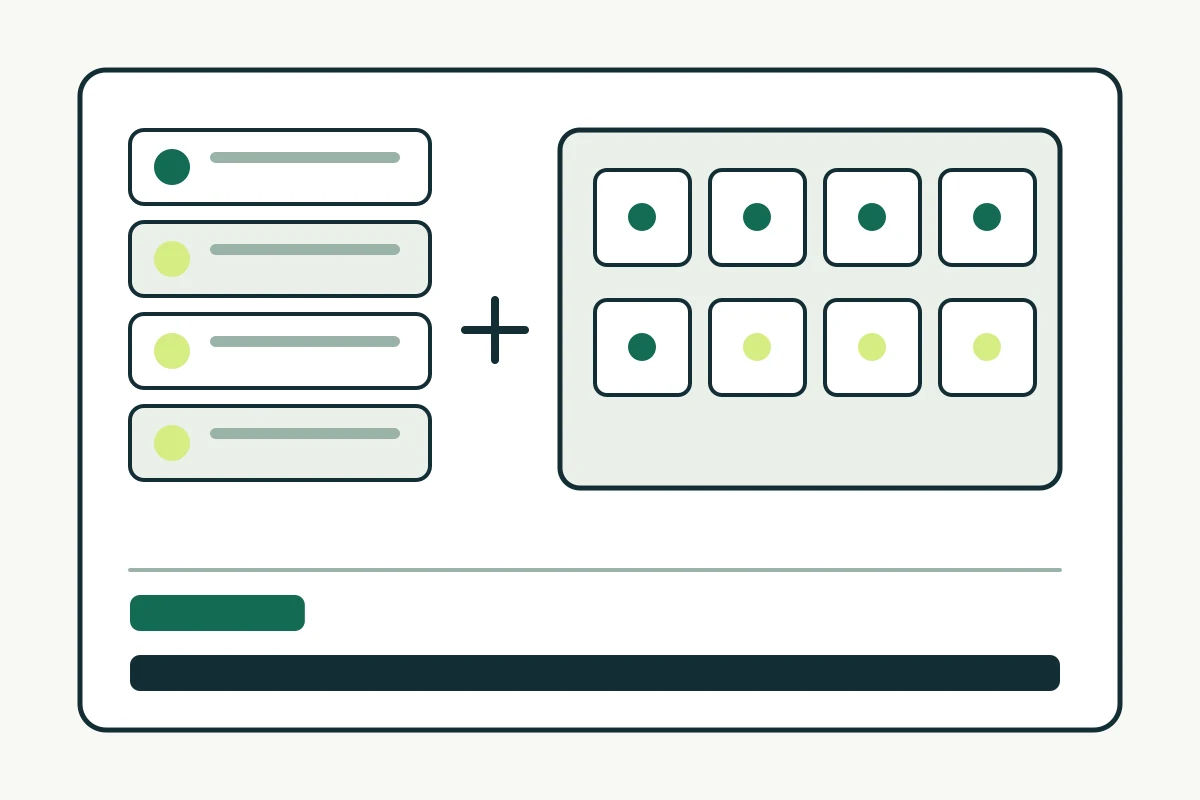
A platform earns its cost when you must change many pages without waiting for engineering, run several language sites, or give many teams controlled access. Semrush's own case study for Picsart describes automating internal linking across a 17-language site, with vendor-reported results of a 124% rise in impressions and a 20% rise in clicks. Treat those as vendor claims, not benchmarks.
How Should You Evaluate an Enterprise SEO Tool Before You Buy?
Ask the vendor eight questions and judge it on whether the answers are specific. Each question matters more at 10,000 pages than at 500, because limits and defaults that are invisible on a small site become the whole constraint.
| Ask | Why it matters at 10,000 pages | Red flag |
|---|---|---|
| Can it segment crawls by template or folder? | You fix templates, not URLs | Only a flat list of issues |
| What are the crawl, keyword and project limits? | Limits hide the long tail | Limits "on request" |
| How often does ranking data refresh? | Weekly data misses fast changes | No stated frequency |
| Can you export raw data and use an API? | Your warehouse and CRM need the data | Exports capped or dashboard-only |
| How much history is kept? | Year-on-year work needs it; Ahrefs states five years on Advanced | History sold as an add-on |
| How are AI prompts chosen, and what does it cost? | AI tracking is new and sampled; seoClarity's costs extra | One run per prompt, no sampling detail |
| Who sets up and supports it? | Seats, onboarding and training change the real cost | Support only by ticket |
| What are the term, renewal and exit terms? | Some plans are billed annually (Surfer's are), so exit cost matters | No data export on exit |
The last row is a question, not a finding: we have not seen the contract terms of any vendor listed here.
Will AI Search Visibility Tools Change Your Choice?
AI visibility tools add a category to the stack and do not replace the ones above. Semrush, seoClarity, Ahrefs and Surfer all sell tracking of how brands appear in answers from ChatGPT, Perplexity, Gemini and Google AI Overviews, and Gartner now publishes a separate 2026 Market Guide for Answer Engine Visibility Tools, as Semrush's page notes.
The metrics are young, and each tool samples prompts differently, so treat the numbers as a trend line you set a baseline for. Our guides to AI tools for B2B SEO and to running an AI search visibility audit cover what to measure, and our AI search for B2B page shows the service.
What Should You Pilot in the First 90 Days?
Pilot on one template with one measurable outcome, and decide at day 90 whether the tool changed any decision. The steps below keep a tool trial from turning into a dashboard tour.
- Choose one template and one outcome. For example, product or resource pages that are not indexed, with a target share of pages indexed.
- Take a baseline. Run a crawl, switch on the Search Console export, record rankings for the template's terms, and note leads from organic search in the CRM.
- Trial two options on the same template. Ask each vendor for a trial or a paid pilot, and give both the same data.
- Test the exports. Confirm you can pull the data into your warehouse and match it to opportunities.
- Score against the evaluation table at day 90. Record which decisions each tool changed, not how many charts it produced.
Where Do Tools Stop and Enterprise SEO Work Start?
Tools find problems, and templates, governance and prioritisation fix them. A crawler can list 4,000 pages with the same canonical fault, but someone still has to change the template, get it through release and check the result. Our guide to enterprise SEO for 10,000-page sites covers those template fixes, and our enterprise SEO consultant, agency and in-house comparison shows who should own them.
B2B SEO Services does not sell or resell any of these tools. If you want help choosing a stack, our enterprise SEO page describes the scope, and our enterprise SEO pricing guide lists typical costs.